
Practical Steps to Preserve the Sounds You Cherish
Noise-induced hearing loss seldom announces its arrival with a grand flourish. Instead, it often develops gradually, revealing itself only after years of exposure to concerts, power tools, or demanding work environments.
The encouraging truth is this: Hearing loss caused by noise is almost entirely preventable. By adopting thoughtful habits and making informed choices, you possess the power to safeguard your hearing for decades to come.
Why Protecting Your Hearing Matters
Your inner ear is a complex and remarkably delicate system.
Within it are thousands of minuscule, hair-like structures, known as hair cells, which are responsible for detecting sound. But intense noise can harm these vital hair cells, and once damaged, they do not regenerate.
This explains why prolonged noise exposure stands as a frequent cause of permanent hearing loss and persistent tinnitus.
Consider:
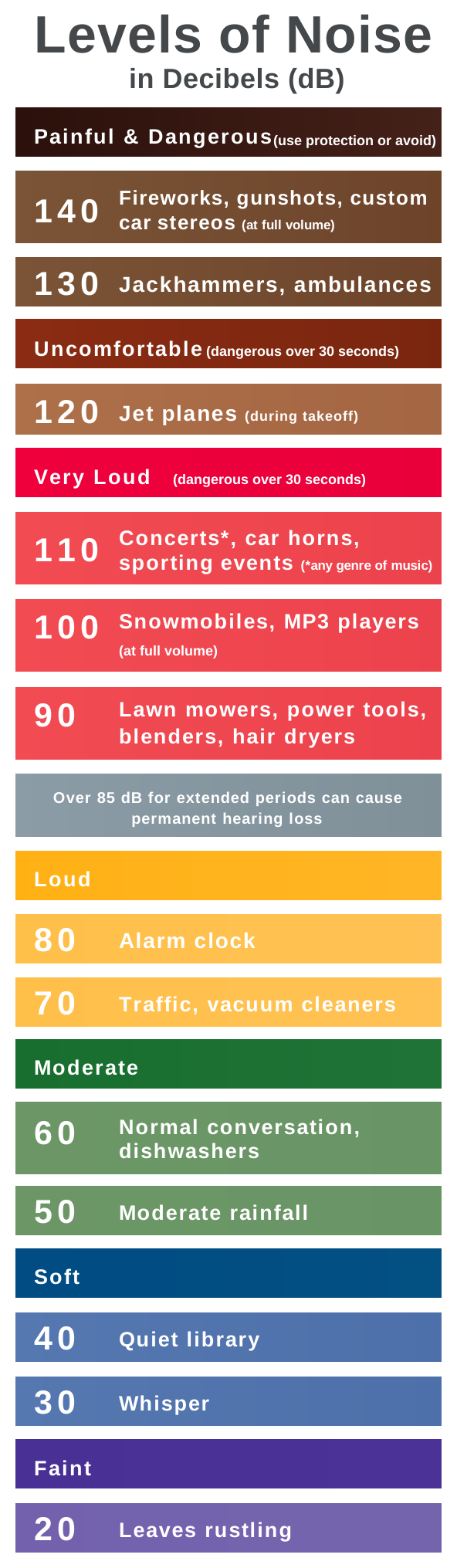
- Sounds exceeding 85 decibels can inflict damage over time, and many daily activities surpass this critical threshold.
- Prioritizing early prevention yields the most substantial benefits: Better hearing, clearer communication, and reduced fatigue.
- If you have ever left a noisy environment experiencing muffled hearing or ringing in your ears, your auditory system has already provided a clear signal indicating its need for protection.
Everyday Sources of Harmful Noise
Noise exposure extends far beyond typical construction sites or bustling concerts. It frequently appears in environments we might not immediately consider:
- Daily Living: This includes sounds from hair dryers, food processors, leaf blowers, busy restaurants, and high-energy fitness classes.
- Leisure and Social Activities: Think about live music events, sports arenas and stadiums, vibrant bars and clubs, as well as motorcycles and ATVs.
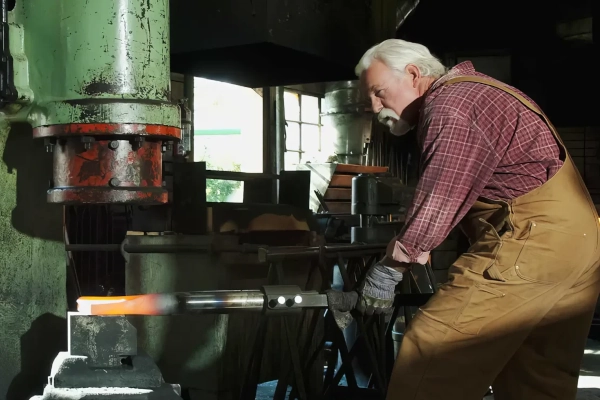
- Professional Settings: Occupations in manufacturing, aviation, construction, and music or audio production often involve significant noise levels.
Here is a straightforward guideline: If you find it necessary to raise your voice to talk with someone nearby, the environment is likely loud enough to cause harm to your hearing.
Simple, Safe Listening Habits That Create a Significant Impact
- Control Your Volume: We recommend following the 60/60 rule: Listening at no more than 60 percent of the maximum volume for no longer than 60 minutes at any given time. Noise-cancelling headphones can be particularly helpful for this
- Incorporate Listening Breaks: Your ears genuinely benefit from periods of recovery. Short, quiet intervals throughout your day allow your auditory system to reset and contribute to reducing long-term strain.
- Increase Your Distance: Even moving a few feet away can notably diminish sound intensity. This is a small adjustment with a powerful effect.
When to Use Hearing Protection
Ear protection is not solely for those in specific professions or for musicians on stage. It is essential for anyone routinely exposed to sounds louder than healthy levels. You should consider using earplugs or earmuffs when:
- Operating power tools.
- Attending concerts or lively sporting events.
- Riding motorcycles.
- Participating in shooting or hunting activities.
- Working in consistently noisy environments.
- Engaging in yard work such as mowing the lawn or using a leaf blower.
Do not wait until you experience discomfort. The most effective protection occurs when its use becomes an automatic habit in loud settings.
Understanding Basic Hearing Protection Choices
Before we delve into personalized custom solutions, here are the basic options many individuals begin with.
Foam Earplugs
These represent a straightforward, widely available, and accessible solution. The primary drawbacks are that their fit often proves unreliable, and their effectiveness is entirely dependent upon correct insertion.
Filtered Earplugs (Non-Custom)
Filtered earplugs offer a more balanced reduction in volume compared to foam earplugs, which translates to superior sound quality for musicians and allows greater awareness of ambient sounds for hunters. They also excel at suppressing sudden, intense noises more effectively than foam options. However, their protective capacity relies significantly on how accurately they fit within your ears.
Earmuffs
Earmuffs are an excellent choice for children or for situations requiring quick application. They deliver reliable and consistent protection, though some may find them bulky.
These options are entirely suitable for occasional use. However, if you find yourself frequently depending on hearing protection, or if you require consistently predictable performance, a more advanced solution exists.
The Limitations of Disposable or General Hearing Protection
Generic earplugs can be likened to “one-size-fits-all” apparel: Sometimes they come close, but they are rarely a perfect fit. Common challenges include:
- Inconsistent sound blockage.
- Discomfort during prolonged periods of wear.
- Tendency to fall out during active pursuits.
- Providing either too much or too little protection.
And perhaps the most significant disadvantage? If they are uncomfortable, you will not wear them regularly. Consistent use, in fact, represents the genuine key to effective hearing protection.
When Personalized Custom Hearing Protection Becomes the Superior Choice
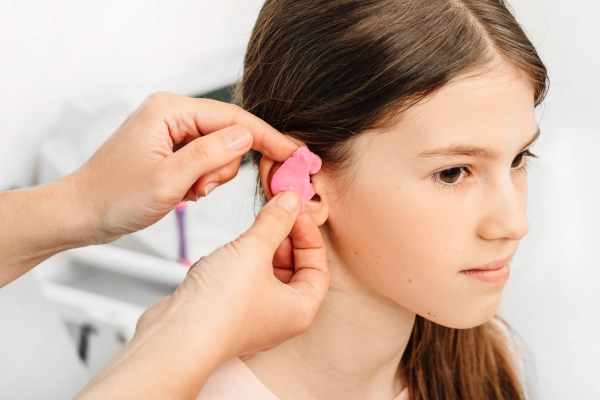
If you experience regular exposure to loud sounds — whether in your profession, on stage, while riding a motorcycle, or at a shooting range — custom hearing protection emerges as a more effective, comfortable, and sustainable solution. Personalized custom hearing protection offers:
- A precise, individualized fit.
- Reliable and consistent noise reduction.
- Comfort that lasts throughout the entire day.
- Exceptional long-term durability.
- Specialized options designed for musicians, shooters, motorcyclists, swimmers, and even for general daily activities.
Consider this as a transition from broad, general safety measures to a truly tailored, dependable approach to prevention.
Frequently Asked Questions
-
Custom Ear Protection: Made for Your Ears & Your Life
Standard earplugs often muffle music or slip out. Learn how custom-molded ear protection offers a precise, comfortable fit tailored for concerts, swimming, or sleep
-
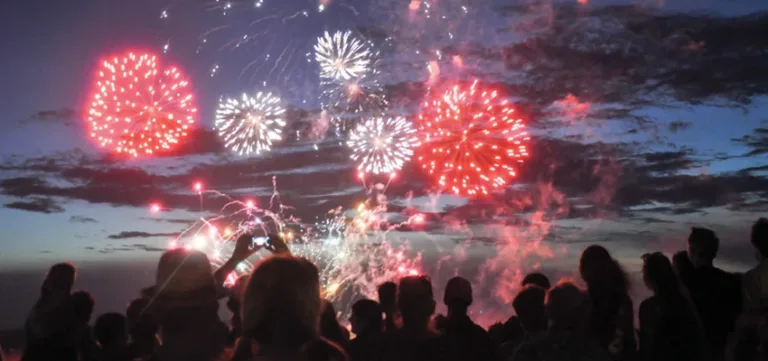
Dos and Don’ts for Taking Little Ones to See Fireworks
Planning a family outing for the fireworks? Learn why little ears are more sensitive to loud booms and how you can protect your child’s hearing this holiday
-
Summer Sounds
Discover how to enjoy concerts, fireworks, and summer fun without risking your hearing. Learn tips to protect your ears and make the most of every moment.

Got questions?
We’ve got answers and we’re standing by to help.