
We Offer Cerumen (Earwax) Removal With the Earigator®
What Is the Purpose of Earwax?
Earwax, or cerumen, as it is medically termed, frequently receives an unfair reputation. But it truly stands as one of the body’s most effective natural defenses.
Formed by glands in your outer ear canal, earwax works diligently to protect, moisturize, and cleanse your ear. It effectively captures dust, dirt, and bacteria, preventing them from reaching the delicate eardrum. Plus, its mildly acidic nature helps deter the growth of harmful microbes.
Even routine actions like chewing or talking assist in moving older earwax outward, where it naturally dries and flakes away. Without earwax, the ear canal would become itchy, dry, and vulnerable — a reminder that this often-misunderstood substance is vital for optimal ear health.
When Earwax Becomes a Problem
Your ears are usually quite adept at managing earwax naturally, but there are times when you might produce more than the body can effectively clear.
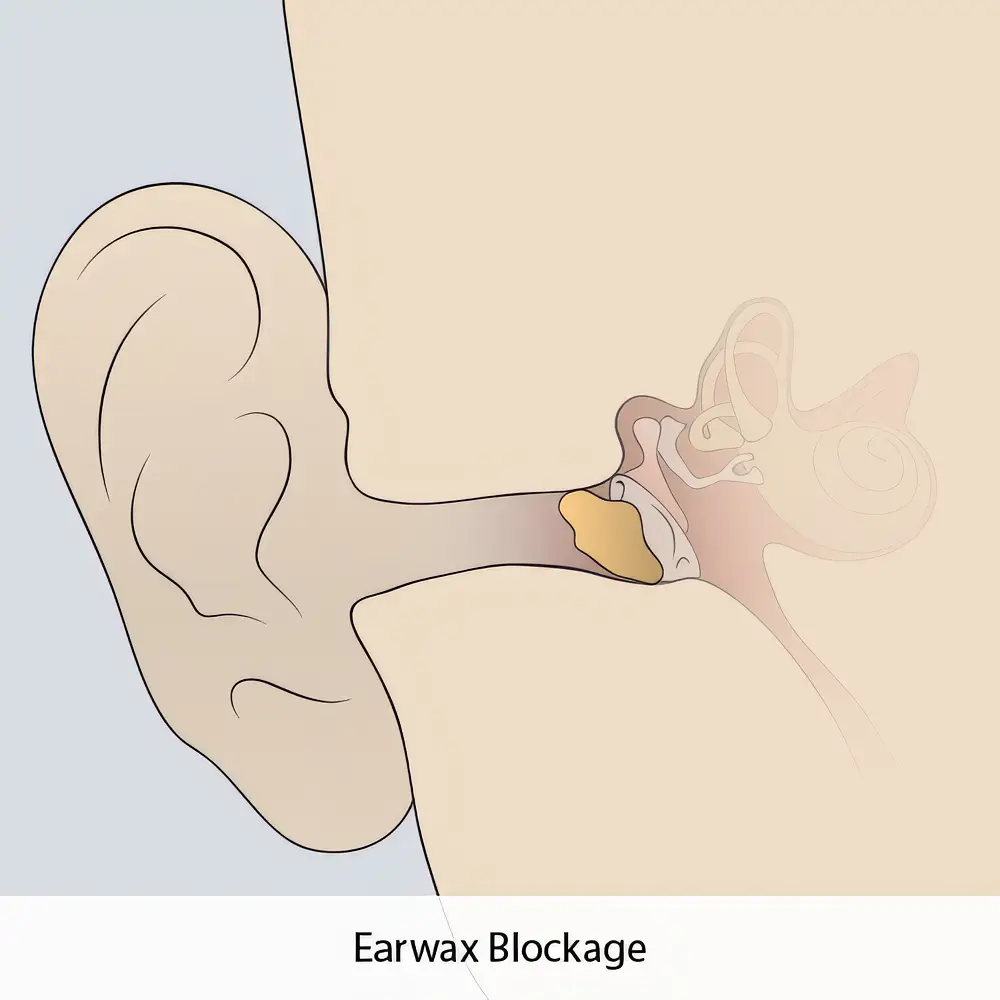
When this occurs, earwax can harden or become lodged, resulting in a blockage. Several factors can elevate the risk of earwax accumulation, including:
- Consistent use of hearing aids or earplugs
- Naturally narrow or curved ear canals
- Inserting cotton swabs or other items into the ear canal
Earwax impaction is far more common than many people understand, affecting approximately 10% of children and over 50% of older adults residing in care facilities.
An excess of earwax can lead to a variety of symptoms, such as:
- A sense of partial hearing loss or muffled sounds
- Fullness or pressure within the ear
- Itching or discharge
- Ringing or buzzing in the ears, known as tinnitus
- Ear pain or general discomfort
- Feelings of dizziness or balance challenges
Should you experience any of these indicators, professional earwax removal can provide significant relief from symptoms and help restore both comfort and the clarity of your hearing.
Safe Ear Cleaning: What You Should and Should Not Do
Maintaining healthy ears begins with gentle, informed care. Here is how you can manage earwax safely at home.
What You Should Do:
- Gently wipe the outer ear with a warm, soft cloth following a shower.
- Consider using a few drops of warmed olive oil, almond oil, or a specialized commercial ear-softening solution to naturally loosen wax.
- Attempt a gentle water rinse or irrigation only when specifically advised by a healthcare professional.
What You Should Not Do:
- Do not use cotton swabs, hairpins, or any other objects inside your ears; these can push wax further in or cause serious injury.
- Do not attempt ear candling — it has not been proven effective and might lead to burns or damage to the ear.
If you ever have any uncertainty, it is always best to entrust ear cleaning to a professional. Your hearing care provider has the necessary tools and specialized training to remove earwax both safely and completely.
When to Consult a Hearing Care Professional
If earwax accumulation is causing discomfort, affecting your hearing, or presenting persistent symptoms, then it is certainly time for a professional ear examination.
Your audiologist can expertly determine if the problem is straightforward wax buildup or if there is a more intricate issue at play.
Professional earwax removal might involve:
- Prescription-strength eardrops or specific wax-dissolving agents
- Gentle suction or careful irrigation techniques
- Manual removal using safe, sterile instruments
Personalized Earwax Removal
We ensure both safety and comfort. Our dedicated team will thoroughly assess your ear health, meticulously remove any blockages, and provide you with guidance on preventing future buildup.